



Meanwhile, At Your Local Fraternity House
Steph Curry steps to the line. A career 91 percent free throw shooter, he’s as close to an automatic bucket as there is. First shot goes up. Swish. He calmly lines up his feet, receives the pass from the ref, and lets the second shot go.
*CLANK*
Shock fills the fraternity house, where a group of eight are gathered in the living room watching a Sunday night NBA showdown between the Houston Rockets and Golden State Warriors. A missed free throw from Curry? A once-in-a-lifetime occurrence, but the game moves on to the next play.
Or, at least most of the guys watching move on. Travis, on the other hand, looks nervously at his phone, where his sports betting account glows on the screen. *CURRY UNDER 0.5 MISSED FREE THROWS ❌* “SHIT!” he thinks. “What am I going to tell my parents? That was my last $1000.” He is depressed, afraid, and silent. Although surrounded by his seven closest fraternity brothers, he feels more isolated than ever. Travis had never used drugs and typically had only a drink or two on the weekends. Yet here he is, among the 10% of 18 to 30-year-old American men who have a gambling problem.
This isn’t just Travis’s story; it’s the story of fraternity men all across the country. When about half of college-aged men are engaging in gambling, gambling harm prevention cannot be seen as a luxury for fraternities, but as a necessity.
Relevant Awareness
How can a fraternity address a problem its members do not recognize? The modern gambling landscape has muddied what “gambling” really is. People may describe some activities as trading or investing, while certain forms of card collecting, fantasy sports, and in-game microtransactions can mimic aspects of gambling. Education about gambling in fraternity communities should first define gambling, explain how it differs from investing, and describe how gambling-related activities may affect the brain.
Once members recognize how modern gambling presents itself, it is important for them to recognize signs of a gambling problem. I recently presented to the Interfraternity Council (IFC) at San Diego State University. As I began my program, I surveyed the audience and asked: “who here has ever played fantasy sports?” Every hand shot up. I then asked “who here thinks joining a fantasy league will automatically ruin your life?” Crickets. In my work, I have found that being practical with fraternity men is the best way to meet them where they are. We can all agree that a $1 hand of poker once a week isn’t the same as an addiction, so how can a member know if they have (or are developing) a problem?
I use what I call the 3 P’s of a problem: paying, persisting, preventing.
Paying: Am I spending increasing amounts of money, time, or emotional energy to continue gambling? It’s important to recognize that money is not the only currency driving gambling behavior. Many people in recovery from gambling addiction, myself included, identify time lost to gambling as a greater cost than money lost.
Persisting: Does the gambling continue despite negative consequences? Those consequences do not have to be as severe as expulsion. For example, gambling during class may interfere with a student’s ability to focus, yet the behavior continues. These consequences don’t have to be as severe as getting expelled from school; it could be that gambling in class is impacting the student’s ability to focus, yet the gambling persists anyway.
Preventing: Is gambling keeping me from other activities? It might interfere with sleep or, as in Travis’s case, prevent someone from being fully present with friends.
Clearly differentiating between social gambling and harmful gambling is an important element of education: rather than labeling all gambling as bad, educators can meet students where they are and help them see clearly where behavior is becoming problematic.
Supporting A Brother
Getting fraternities to buy into the topic of gambling addiction prevention has not been easy. I had lunch with a leader in hazing prevention who shared this theory on the matter: “fraternities view gambling as an individual issue, not a chapter one.“ Hazing or a drug overdose can create an immediate public-relations crisis for a chapter, whereas gambling-related debt may remain hidden.
However, that’s not to say that an individual’s gambling problem should not be a chapter wide concern. One concern is the potential relationship between gambling-related harm and suicide risk. Financial strain can also affect chapter finances, particularly if a member seeks loans from fellow members or has access to chapter funds. Thus, it is imperative that members recognize how to support a brother without enabling them.
A major challenge for young men experiencing gambling problems is developing an identity that is not centered on gambling. Fraternity members can offer support by inviting a brother to activities unrelated to gambling and helping him build connections in other settings. Not every fraternity get-together has to be sports-related.
Most fraternity members I have met care about their brothers’ well-being. However, that concern can lead to enabling them rather than meaningful support. A financial bailout can become a get-out-of-jail-free card that shields someone from the consequences of their gambling behavior. I tell fraternity members: “If you want to help someone who has a gambling problem, do not lend them money or give them access to your account.”
Fraternity members can support a brother with a gambling problem by having a direct conversation and voicing their concerns. This conversation does not need to be accusatory or stigmatizing, but rather should be supportive. “Hey, I’ve noticed you’ve been spending a lot of time alone on your phone lately. Is everything ok?” Gambling addiction is sometimes treated as a joke online. A serious, supportive response can be a relief for someone struggling and may be unaccustomed to others taking the issue seriously.
Additionally, members should feel confident pointing struggling members to outside support. Gamblers Anonymous meetings are a great place to start, as well as online support groups such as gamblersinrecovery and Reddit’s r/problemgambling forum (in addition to seeing a licensed gambling counselor).
Gambling Sober Monitors
As a fraternity man myself, I remember sober monitors at parties. These members helped keep party-goers safe and made sure help was available if someone drank too much. I believe fraternities should consider using gambling sober monitors at chapter-sanctioned gambling events to help identify and respond to signs of harm.
For example, poker night at the fraternity house could include a gambling sober monitor who uses the three P’s framework to identify potential warning signs. Notice a member paying an increasing amount of money to buy back in? A member whose betting persists in spite of negative consequences (staying late to play instead of doing school work)? A member whose betting is preventing them from spending time with their significant other? Warning signs like these could warrant a conversation with a gambling sober monitor. One possible approach would be a three-step process. After a first observation, document the concern. After a second observation involving the same member, have a private conversation with them. After a third observation, develop a support plan with the member and decide whether to temporarily exclude them from chapter-sponsored gambling events.
This tiered approach balances support with accountability and gives monitors a consistent process for responding to concerns.
Preparing For The Future
Some have described gambling addiction as a modern-day opioid epidemic. Although much gambling now takes place quietly online, its consequences can be far-reaching. Fraternities should treat gambling as a risk-management issue and develop responses that reflect the potential risks, just as they do with hazing and substance use.
About the Author
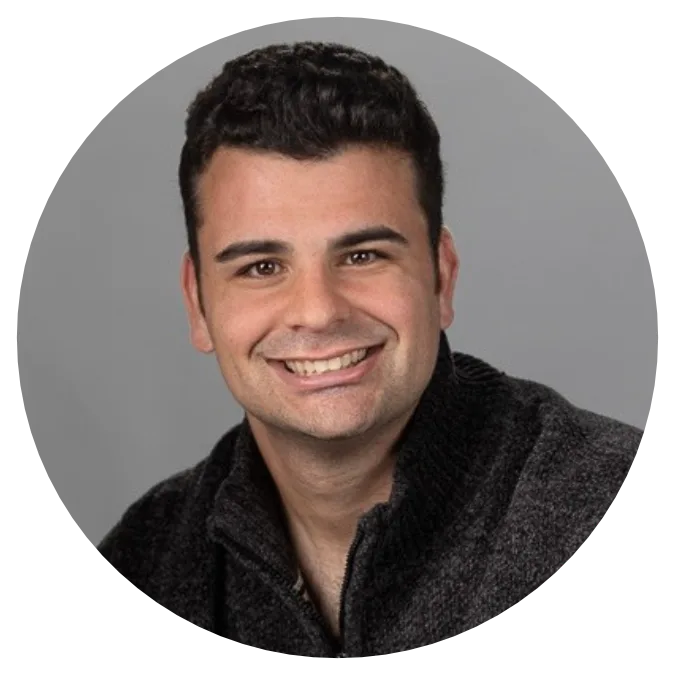
Saul Malek is a full-time professional speaker and trainer who focuses on preventing gambling harm in organizations. In long term recovery from gambling addiction himself, he has been featured across a variety of prominent media including NPR, PBS, and Dr. Phil as a thought leader on gambling harm prevention. His work has taken him across the country, from the Navajo Nation in Arizona to recovery centers in Portland, Maine. Malek is a Phi Sigma Chi alumnus at Trinity University and has worked extensively with fraternities, including a recent keynote at Theta Chi’s annual convention.